
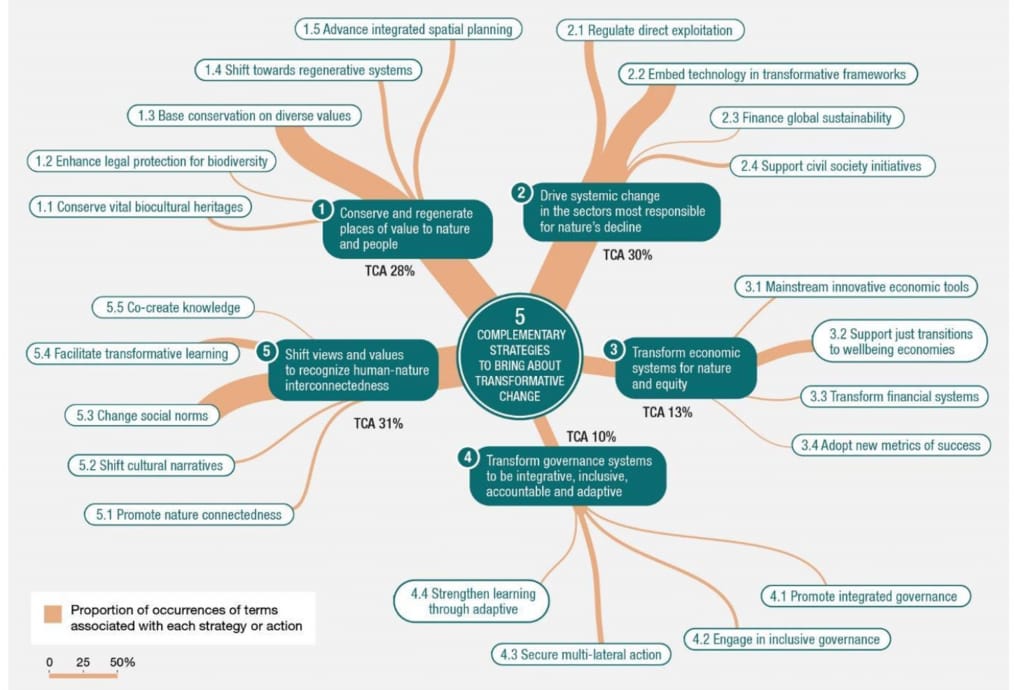
Last week’s symposium left me inspired and thoughtful. One key takeaway: we already know enough about biodiversity to make meaningful change — the challenge now is how to drive transformative shifts in society to make it happen.
On wetlands: It’s clear that visions of rewetting differ across EU countries and between academia and practice. In the Nordics, even wet soils (not just open water) are a win for soil biodiversity. Restoration may temporarily reduce current biodiversity, but it helps recover what should be there. Rich fens, forested marshes, and flooded forests deserve priority. Vegetation communities can guide recovery, but tree removal is often necessary.
Shared databases and open biodiversity data are crucial for advancing both research and practice. Collaboration is not just helpful — it’s essential.
Forest nature value assessments (NVB) show promise for predicting the occurrence of fungi and bryophytes, but less so for tree-dwelling lichens. More data is needed to validate their predictive power for red-listed species.
Bottom line: Collaboration, communication outside of OUR sector, clarity, and commitment are key to moving from knowledge to action.